


For many people, the word “budget” brings up feelings of restriction or frustration. It can feel like a set of rules telling you what you can’t do. In reality, a good budget does the opposite. It provides clarity, control, and the ability to use your money in ways that support what matters most to you.
At Aspire Wealth Group, we view budgeting as a tool for alignment. It’s not about tracking every dollar perfectly. It’s about making intentional decisions so your financial life reflects your priorities.
If you’re looking to get started, or simply want a system that feels more manageable, here are the basics that tend to make the biggest difference.
Start With a Clear Picture of Your Finances
Before making any changes, it’s important to understand where you stand today. Begin with your take-home income, not your gross salary, and then map out where your money is going. A simple way to do this is by separating expenses into fixed categories like housing, insurance, and subscriptions, and variable categories like groceries, dining out, and entertainment. Reviewing the past two to three months of bank and credit card statements can give you a much more accurate picture than estimates. The goal is not to judge your spending, but to see it clearly.
Align Your Spending With What Matters Most
A budget should reflect your life, not someone else’s. Think about what you’re working toward and which expenses truly add value. For some, that may be travel or time with family. For others, it may be building savings or reducing debt. Often, the biggest opportunities come from identifying spending that happens out of habit rather than intention. When your spending aligns with your priorities, budgeting becomes much easier to maintain.
Keep Your Budget Simple and Consistent
From there, choose a framework that works for you. It doesn’t need to be complicated to be effective. The 50/30/20 approach is a common starting point, where roughly 50% of income goes to needs, 30% to wants, and 20% to savings and debt repayment. These percentages are flexible, but they offer a helpful structure. Another option is zero-based budgeting, where every dollar is assigned a purpose. The method matters less than your ability to stay consistent with it.
One of the most important habits you can build is paying yourself first. Instead of saving what is left over at the end of the month, treat savings like a fixed expense. This could include contributions to retirement accounts, building an emergency fund, or setting aside money for future goals. Automating these transfers can make the process easier and more consistent over time.
Make Adjustments You Can Stick With
As you review your spending, focus on making adjustments that are realistic. Small, consistent changes tend to be more effective than drastic cuts. For example, reducing dining out by one or two meals per week can have a meaningful impact without feeling overly restrictive. The goal is to create a plan you can stick with, not one that works only on paper.
It’s also important to use tools that fit your preferences. Some people prefer apps that automatically track spending, while others like using spreadsheets or even pen and paper. There is no perfect system, only the one you will use consistently. Setting aside a few minutes each week to review your progress can help you stay on track.
Plan Ahead for the Unexpected
A strong budget also accounts for expenses that don’t occur every month. Things like car repairs, holidays, and annual premiums can easily disrupt your plan if they are not anticipated. Setting aside small amounts regularly for these costs, often called sinking funds, can help smooth out those moments. An emergency fund, typically covering three to six months of essential expenses, provides an added layer of protection.
Keep It Flexible Over Time
Finally, remember that a budget should evolve with you. Your income, expenses, and goals will change over time, and your plan should adjust accordingly. Checking in monthly allows you to make updates and stay aligned. If a month doesn’t go as planned, that’s part of the process. Progress over time is what matters most.
Budgeting isn’t about getting everything exactly right. It’s about building awareness, making intentional choices, and gaining confidence in how you manage your money. Starting small and staying consistent can go a long way toward creating a stronger financial foundation.
Recent Insights
-
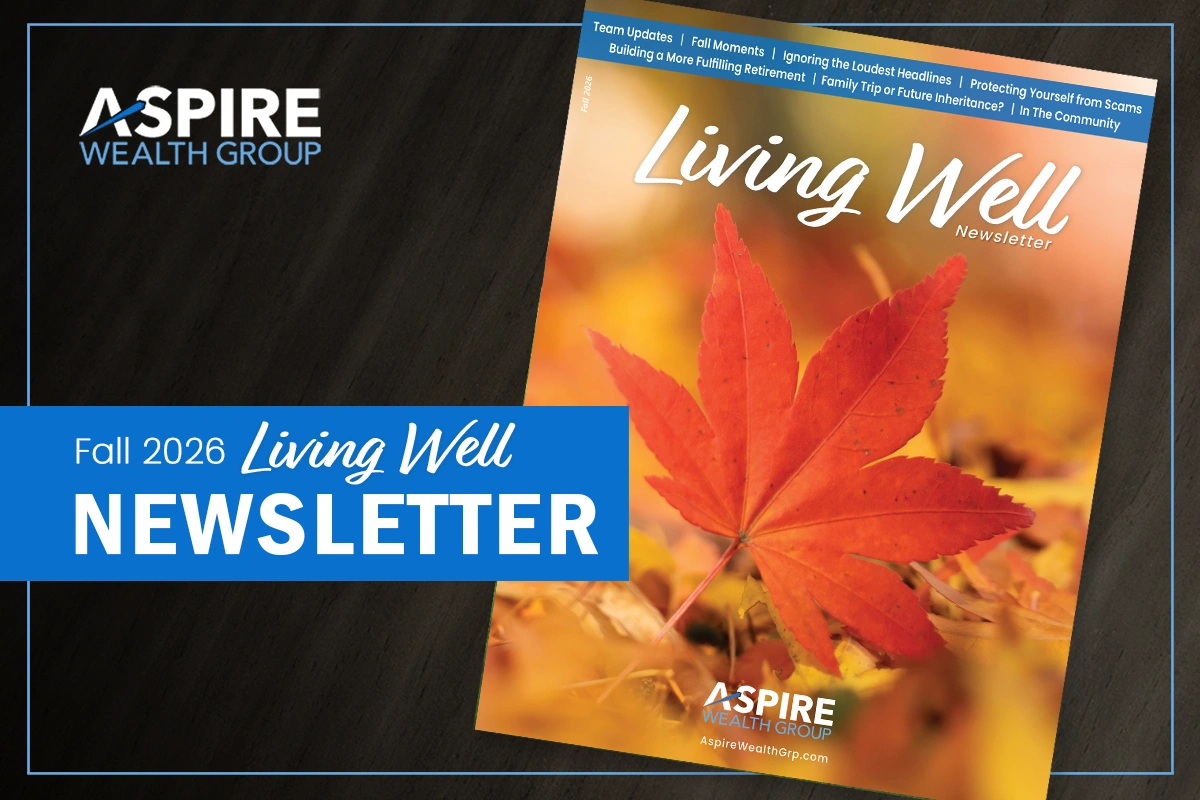
The Fall 2026 Living Well Newsletter is Here!
Explore the Fall 2026 edition of Living Well, featuring insights on investing, retirement, family, and the moments that matter most.
-

By Tax Season, Some of Your Best Tax Planning Opportunities Are Gone
Discover why some tax planning opportunities expire at year-end and which financial decisions may deserve attention before December 31.
-

RMDs, Roth Conversions, and QCDs: What Retirees Should Know
Learn how RMDs, Roth conversions, and Qualified Charitable Distributions may affect retirement taxes, charitable giving, Medicare premiums, and the assets you leave to your family.